Grid-Based IconsGenerate a matching set with AI
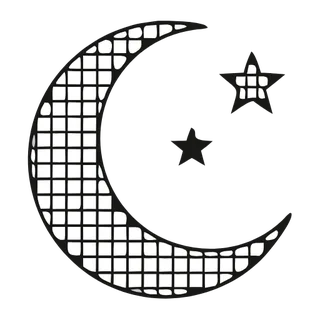
Grid-based icons obey a keyline system: every shape snaps to a fixed grid, circles and squares share optical bounding sizes, and stroke positions land on whole pixels. This is the discipline behind platform icon sets — the reason a hundred different glyphs feel like one family.
When to use grid-based icons
Choose grid-based styles when the destination is a design system or a large product where dozens of contributors will add icons over years. The keyline discipline makes icons interchangeable: consistent optical weight, consistent margins, no glyph looking bigger than its neighbors. It is the most "invisible" style on this list — and for system UI, invisible is the goal.
Best for
- Design systems and component libraries
- Enterprise product suites
- Icon fonts
- Platform-consistent apps
- Long-lived codebases
Example prompts
Paste one of these into the generator, or describe your own theme — every icon in the batch comes out in the same grid-based style.
Frequently asked questions
What is a keyline grid?+
A set of template shapes — square, circle, tall and wide rectangles — sized so each reads optically equal inside the icon frame. Drawing every glyph against the same keylines is how platform sets keep a hundred icons visually interchangeable. Icora generates against a consistent grid per batch.
Why do my icons look different sizes even at the same dimensions?+
Optical weight: a solid square at 20px looks bigger than a thin circle at 20px. Keyline systems compensate by letting round and thin shapes extend slightly beyond square bounds. A grid-based set bakes these compensations in, which is exactly what makes it feel calm.
Related styles

Popular uses for grid-based icons
Guides with specs, workflow tips, and prompts for the jobs this style handles best.
Keep reading
Make your grid-based icon set
Describe a theme, pick the Grid-based preset, and get a consistent set of up to 50 icons — exported as clean, editable SVG. Free to start, no credit card required.
Start generating — it's free